Government Slashes Fuel Import Taxes by 50% to Ease Price Pressure



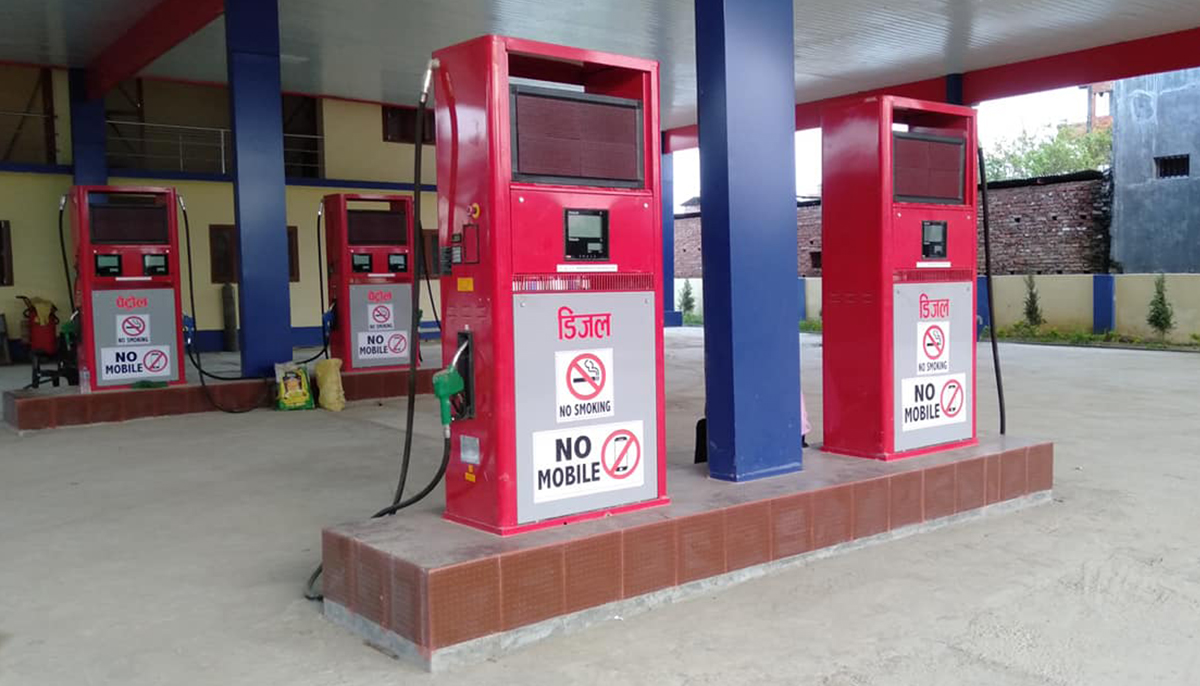
The Government of Nepal has decided to reduce customs duty and infrastructure development tax on petroleum imports by 50 percent, in an effort to ease pressure on domestic fuel prices amid rising global oil market volatility.
The decision was taken during a Cabinet meeting held on Tuesday. The move comes against the backdrop of increasing crude oil prices and ongoing uncertainty in West Asia, which has been affecting global energy supply and pushing up import costs.
The government said the adjustment is aimed at making petroleum pricing more flexible and helping stabilise retail fuel prices in the domestic market without disturbing the overall tax structure significantly.


Under the revised framework, customs duty on petrol currently stands at NPR 25.23 per litre, while diesel is taxed at NPR 12.02 per litre. In addition, both petrol and diesel are subject to an infrastructure development tax of NPR 10 per litre.
With the 50 percent reduction applied to these two components, consumers are expected to receive an effective relief of around NPR 17.50 per litre on petrol and approximately NPR 11 per litre on diesel. This reduces the immediate tax component embedded in fuel pricing.
At present, petrol is priced at NPR 202 per litre in the Kathmandu Valley, while diesel is retailing at NPR 182 per litre. These prices remain unchanged for now, and the revised tax adjustment will reflect once implemented by the relevant authorities.
Despite the cut, petroleum products remain heavily taxed in Nepal. Petrol carries a total tax burden of NPR 66.98 per litre, while diesel stands at NPR 49.28 per litre. These include multiple existing charges such as value-added tax (VAT), road maintenance fees, price stabilisation fund contribution, pollution tax, and green tax.
The policy is expected to provide short-term relief while maintaining fiscal stability and the existing petroleum taxation framework.

Omoda Jaecoo Continues Nepal Premier League Partnership for 2026
Same Same, But Different: MG and Wuling's EV Battle